About Bex
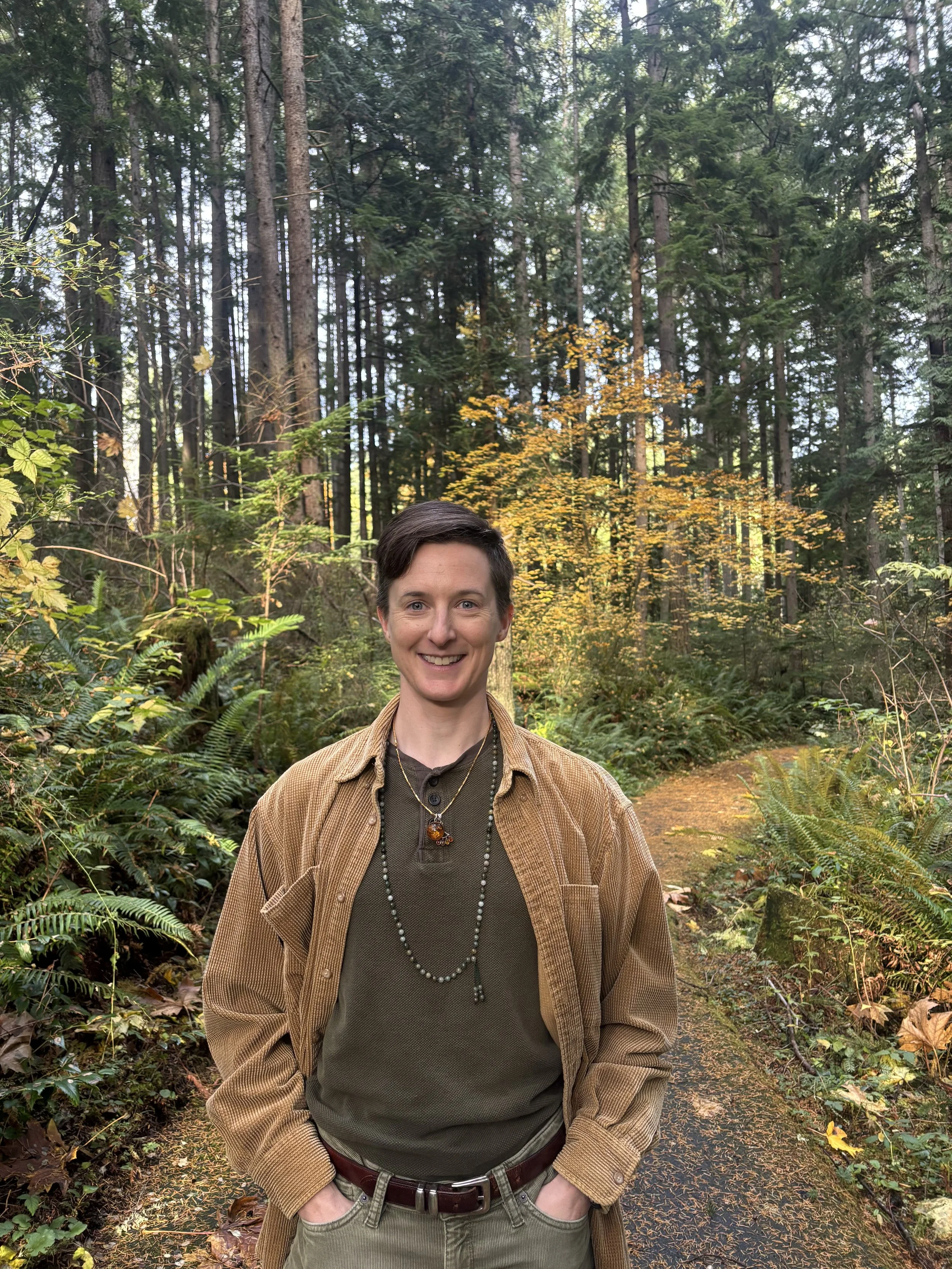
Hi there, I’m Bex (they/he). Glad you stopped by.
I provide therapy as an Associate Licensed Independent Clinical Social Worker in the state of Washington. I specialize in somatic (mind-body connection) therapies for treating PTSD, anxiety, and depression: EMDR, EFT Tapping, vagus nerve stimulation, play therapy, and equine therapy.
I received my EMDR training from Trauma Recovery Humanitarian Assistance Programs, approved by EMDRIA, the international credentialing and oversight organization for all EMDR practitioners. I am Eagala Equine Therapy Certified to provide therapy with horses.
As a member of the LGBTQ+ community, I am a gender-affirming and neurodiversity-inclusive clinician for those who identify with experiences of ADHD, autism, and different abilities in speech, learning, and processing.
I have a strong background in child and adolescent mental health. I enjoy bringing play into my work with people across the age spectrum, from 3 to 93.
What is EMDR?
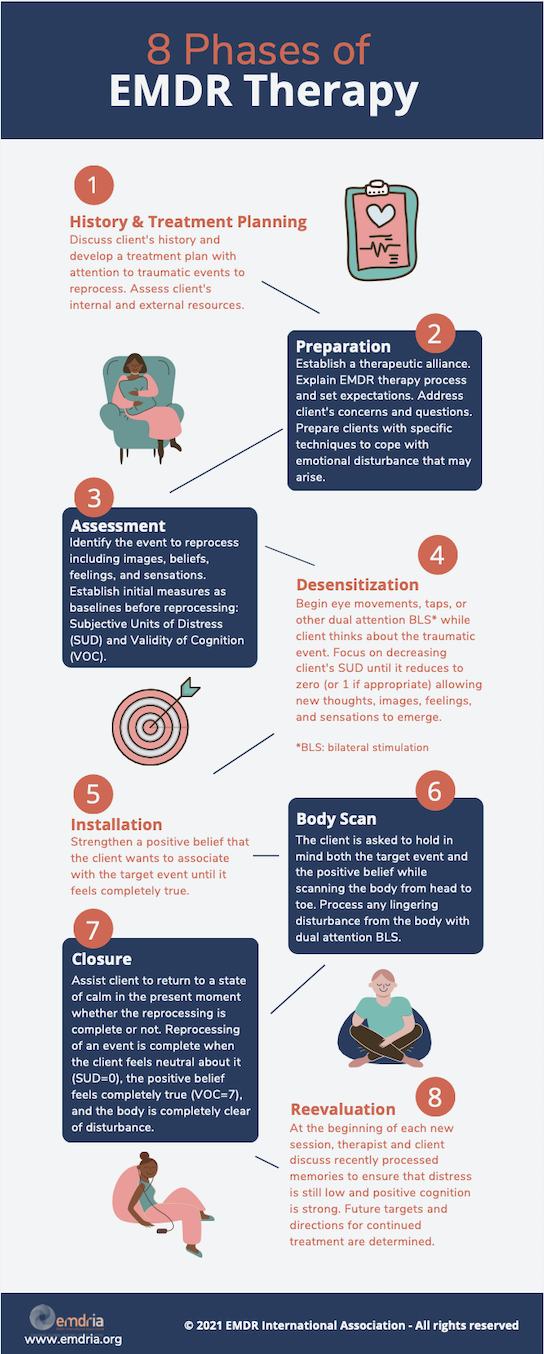
EMDR International Association. (2021, August 6). 8 phases of EMDR therapy [Infographic].
EMDR stands for Eye Movement Desensitization & Reprocessing.
In sessions, we use side-to-side eye movements or hand taps to help the brain process upsetting memories.
EMDR changes your nervous system's response to your memories, so they no longer cause distress or dissociation. It does not erase your memories.
Reprocessing trauma makes room to find new meaning in your past, transform your sense of self, and grow.
The therapy follows 8 phases. To learn more, click on the infographic for a zoom-in, scrollable view, and check out the video below.
We can talk about how EMDR works and if it feels right for your experience and healing goals. If you’d like to do your own exploring and reflecting, the EMDR International Association website can be a good place to start.
“Puzuri” Therapy… what does that mean?
Puzuri is the Latvian word for “puzzles.”
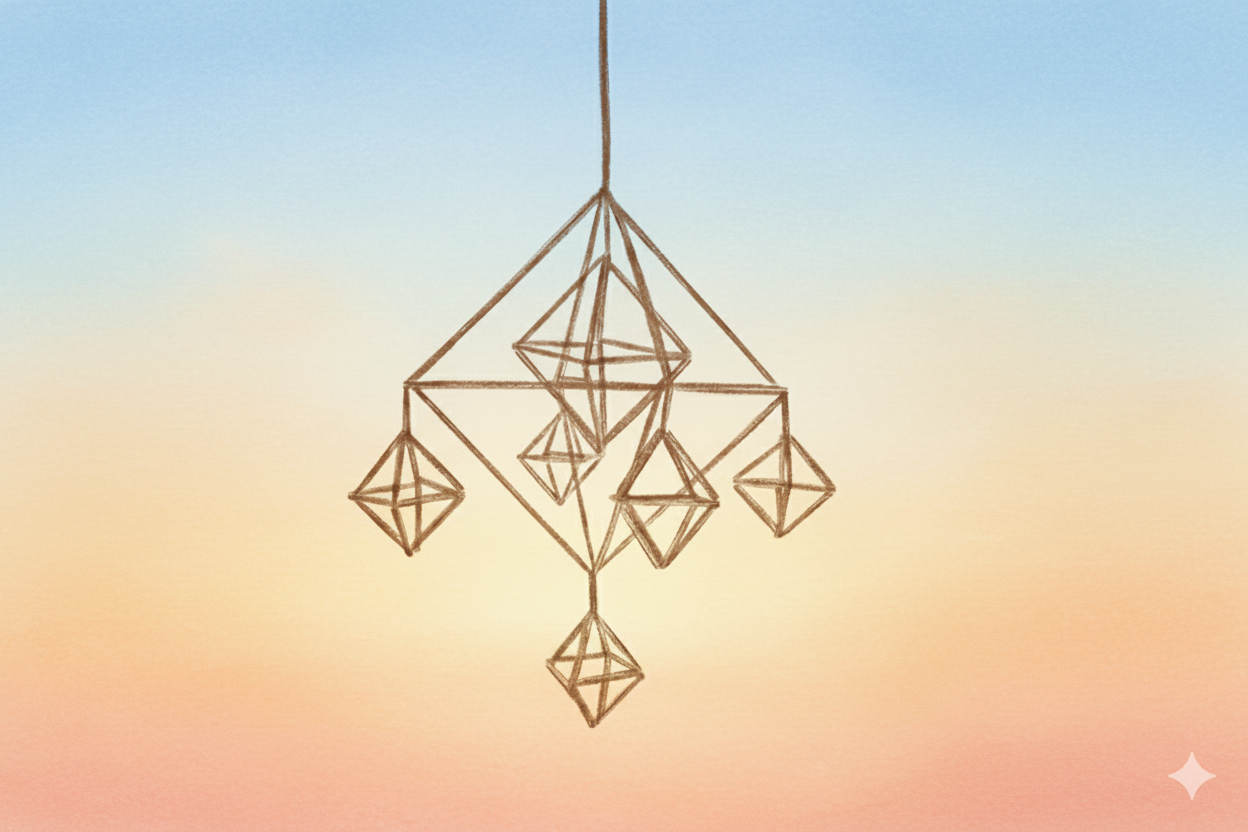
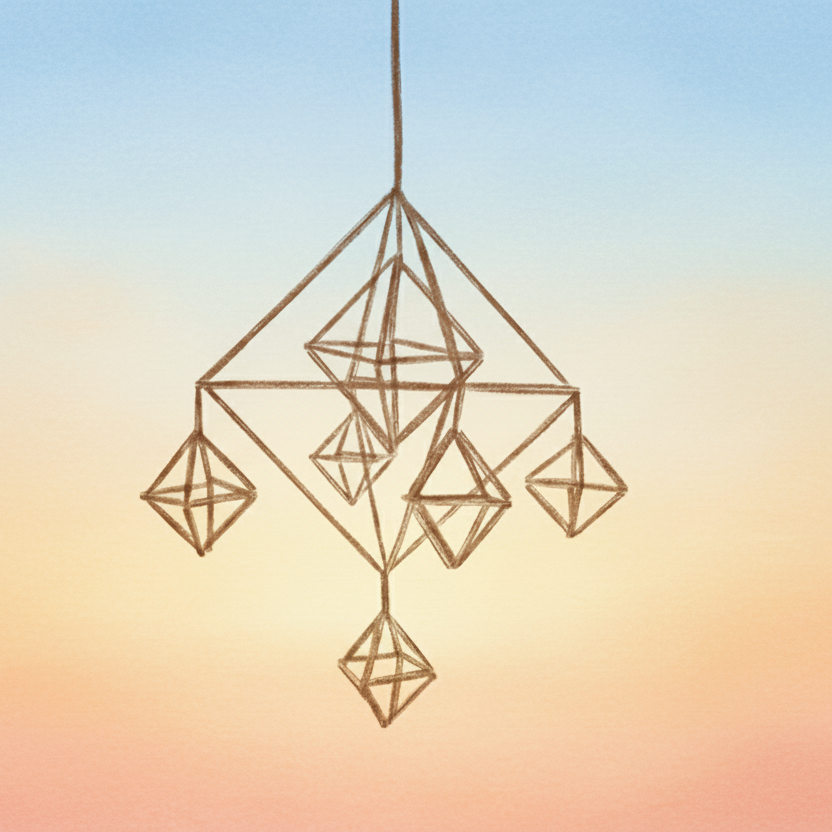
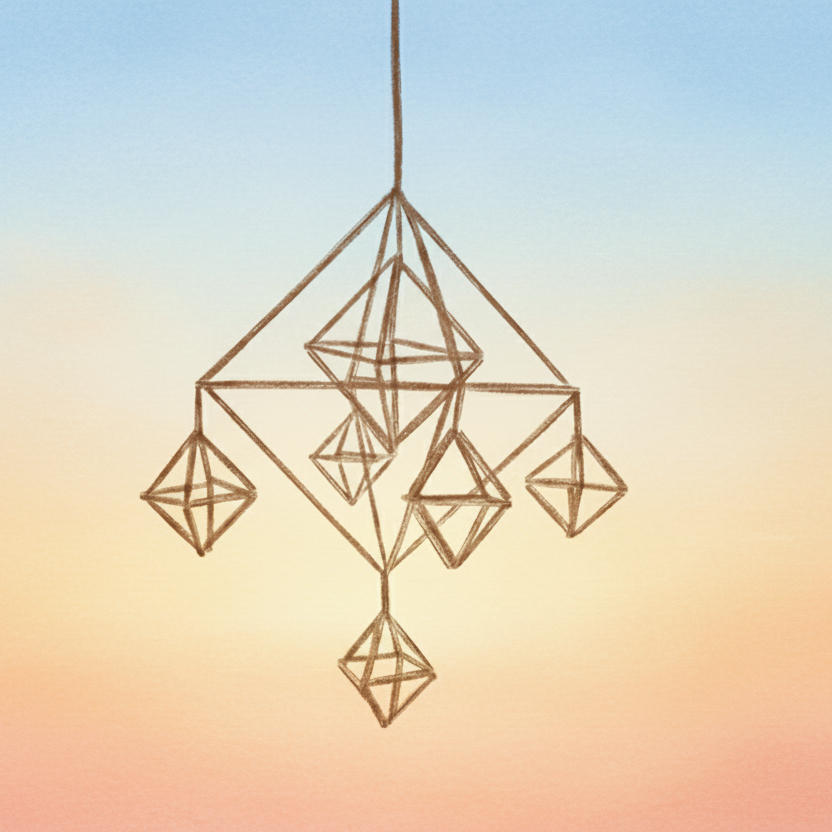
Puzuri are dream-catcher-like geometric charms that, on special holidays in Latvia, people craft and hang in their windows to welcome good spirits.
The four sides of each diamond in the Puzuri represent the four seasons. The bottom point represents the past; the middle point, present; and the top point, future.
In Latvian folklore, when the breeze passes through Puzuri and twirls these shapes around, all moments of time join in harmony.
If we treat our healing as a puzzle, we can piece together our past, present, and future to create a fluid, playful whole.